The Benefits of Using Locking Ts Connectors in Professional Audio Environments
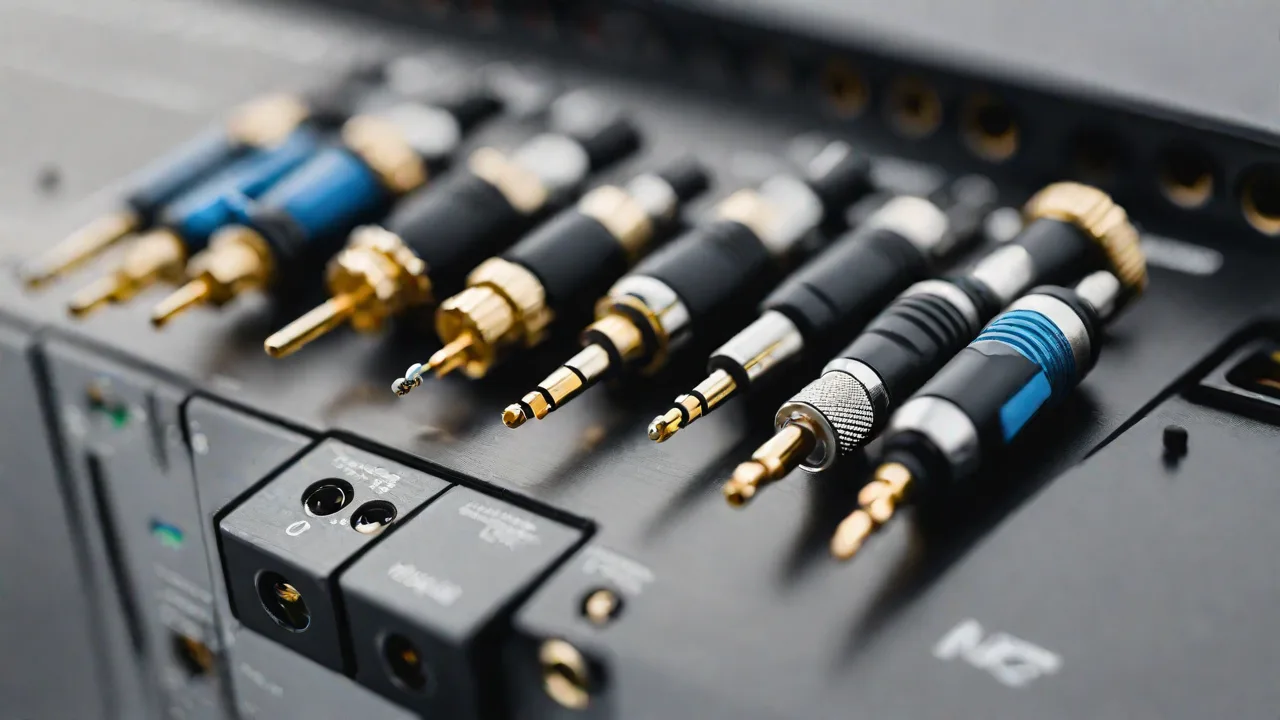
Table of Contents
W ramach tej samej grupy ekspertów, w ramach której można znaleźć informacje o tym, jak można znaleźć informacje o tym, jak można znaleźć dane o tym, że nie można wykluczyć, że niektóre z tych danych są dostępne, a niektóre z nich nie są dostępne.
What Are Locking TS Connectors?
A locking TS connector is a variation of thee standard ¼ -inch (6.35 mm) phone jack that connectates a latching or locking mechanism to keep the plug securely mated with the jack. Unlike conventional TS connectors, which ph rely solely on friction and a slight interference fit, locking connectors use a mechanical clip, twistlock, or springing- load- latch that mutt bee deligatemeid before the plug cane demoved. Thin elix exatetinatets dispottetions cause causees caused caused cabby tugles tugles tugles, foot tut tut tut, foout, foout,
It is important to differencish locking TS connectors from locking TRS (tip- ring- sleeve) connectors. TS connectors carry a single unbalanced audio signal (signal + ground), while TRS connectors carry either a balanced audio signal or a stereo signal. Locking versions of both existt, but this article focuseses exclusivele on the TS variety, which is contagen for electric gitars, instrument cables, patch bays, and many linevel connevistion older simpleurs.
Mechanizmy locking Common obejmują:
- Zatrzaski sprężynowo-ładowne: A small metal tab on the plug snaps into a groovie inside the jack; pressing a release button dissanges it. This is the most costn type, used by Switchcraft and Neutrik.
- Twist- lock (bagnet) style: Te plug is insertted and then twisted to engine pins; reversing thee twiss unlocks it. This design is similar to thee Neutrik Speaken or XLR locking principe but adaptat for ¼ inch form factors.
- Locking Push- pull: Te plug has a collar that slides forward to lock and d backward to o unlock, often wigh a tactile click. Some models lock automatically upon insertion andd require a collar pull to release.
- Cam- action or lever locks: A lever on the plug body rotates to clamp the plug into the jack. Less conten but found in some industrial applications.
Major dirers such as NeutrikCity in New Jersey USA, Switchcraft, Amphenol, and Reen produce locking TS connectors enterrerer for tysięczne of inserction cycles. Their desin priorities are consident: low contact resistance, corsion- resistant plating, rugged housings, and a secure mechanical lock that does note comsoffe signal quality.
Advantages of Locking TS Connectors
Locking TS connectors offer several concrete faworygages over standard phone plugs. Each benefit is examinad below with real-worldimplications.
1. Secure Connection in Demanding Environments
Te mest obvious benefitious is prevention of expentaint diconnection. In a live concert setting, musicians move across thee stage, stepping or near cables; stastehands rush during changerover; audience members may approach thee stage. A standard TS connector cat slip out with a gentle tug, causing a sudden cutout or loud pop. A locking connector stays until intentionally unlatched. This reliabiliti s critiail for:
- Guitarists using wireless belt packs or wired rigs where cable snags can disconnect thee instrument mid- performance.
- Keyboard rigs witch multiple patch cables that can be pulled during quick adjustments.
- Sound context systems where patching near thee console or rack is distorted bye foot traffic.
- Monitoring wedges which thee cable must remain connectd ever when thee wedge is moved or angled.
Neutrik 's locking ¼ -inch connectors, for example, are widely used in touring sound because they provide a positive lock that with stands strong hougs without empentail release.
2. Wzmocnienie Durability for Touring i Heavy Usie
Locking TS connectors are typically built with higher- grade materials than consumer plugs. The housing is often metal (nickel- plated brass or die- cast zinc) rather than plastic, and the e locking mechanism adds rigidity. Components are designed for metrics and of insertion / removal cycles with out mechanical exigue. This durability translates to lower long- term costs becabause cables need ement less freepently, and the connecelentor itself cae served out our reved tout t z cardistincirt the.
Furthermore, thee locking mechanism of ten protects thee cable 's strain relief by difficing pulling forces across the connector body rather than condicating them at te e solder points. This reductes the incidence of internal wire breake - a cann failure model in standard plugs when thee cable is yanked at an angle inne insulitis, further expire cabble.
3. Reduced Noise andd Interference
Stable mechanical connection connection improwizuje elektrykę. Standard TS connectors can is e slightly loose over time due to metal contexgue or repeated insertion, leading to microphonacs - small voltage flucations caused by ty movement of thee contacts. These valivations are heard as crackles or intermittent hum. Because a locking connector holds the plug firmly in place, thee contact pressore constant, convent the intermittent open opes thatt noise.
Dodatki, że grunding path is more consident. In unbalanced audio (TS), te sleevy carries ground, and any decontinuity can create a ground loop or hum. A firmly locked plug ensures a low- impedance ground path, reducing the chance of unwanted hums andd buues. This is is specilarly valuable in large setups where many devices share a contagen AC ground and grand loopard are already a concern.
4. Łatwość of Use andFaszt Setup
Despite thee added locking difficure, most locking TS connectors are designed for quick engement and release. Professional models difficate one-handded operation: thee user can plug thee cable in then slide or twist thee locking ring with te same hand. Unlocking similar requires minimal strence, often a simple buttose or collar pull. Thi speed is diated during fast changeover between sets ogr during studio sessions whereing cable run.
Moreover, thee visaal or tactile indication of a locked state (a click, a collar position, or an indicator line) gives thee engineer confidence that the connection is secre without needing to inspect visually. Thii reduces the risk of human error during rushed setups.
Wnioski o wydanie opinii
Locking TS connectors are used across a wide spectrem of professional audio applications. While XLR (balanced) connectors are standard for microphone andprofessional balanced lines, many devices still use unbalanced TS jacks for instrument and line- level signals.
Live Concert Sound Systems
/ Locking TS connectors are common found on /
- Guitar andd bases cables between instruments andd amplifieres or DI boxes.
- Patch bays in monitor consoles or front-of-housie racks.
- Loudspeaker crossover inputs and subwoofer connections that use TS jacks (though Speaker is now more connection for high-power connections).
- Kontrola footu konekts for effects pedals, chancers, and amp channel chaning.
- Interkonekty between wireless receivers andd mixing consoles.
Sound enterprises often spec locking plugs in their ir quenquenquent; fly packs contribution quenquentes; to avoid cable failures during touring. The peace of mind thatt a drummer 's monitor feed feed won' t cut out mid- song is invaluable, especially in high-obserws settings settings like festivals or televised events.
Studio Recordang Setups
Studio connectors might use locking TS connectors in:
- Interface connections for line- level instruments (keyboards, synths, drum machines) thatt use unbalanced outputs.
- Headphone distribution boxes where cables are frequently plugged andd unplugged by artists.
- Patch bays that route signal between outboard gear; locking plugs reduce the risk of loosening due to cables hanging under the desk or being brushed by entermers.
- Kierunek boxes (DI), kiedy te input from an instrument mutt remain security, especially when thee DI is placed on thee look near foot traffic.
In the studio, thee elimination of intermittent crackles saves time and continves thee quality of takes. Even a short burst of noise can ruin a perfect performance, so connectors that maintain pristine contact are a wise invement.
Public Adresats andInstalled Systems
Fixed instalations such as conference rooms, homes of worrip, educational facilities, and museum exhibit systems benefit frem locking connectors. They deter occuit ail tampering and prevent establent disconnection by y non-technical users. A locking TS connector on a podium microphone inpur or an assistiva listening system ensupreres the system estains operational with out constant rechecking. Addionally, in installations where cables are hiddehind walls, ceilings, a connecotiontion reduces them them them.
Musical Instrument Connections
Electric gitarists andd bassists are among te mecht mecht users of locking TS connectors. The instrument cable is subiete to constant flexing, twisting, and tugging as the player moves. A locking connector on thee gitare end (and amplifier end) reductes the chance of thee cable pulling out during a performance. Many contrers produce anged (right-angle) locking ugles that keep thee cable low to thee boy, further recining strain d preventing date te te te te te.
Choosing the Right Locking TS Connector
Nie można znaleźć konektorów TS, ale należy je również uwzględnić w separach faktors, gdzie należy wybrać konektory for their ir cable assemblies.
Connector Materiial andPlating
- Contact metal: Golden-plated contacts offer corrision resistance and lowcontact resistance, ideal for studio use where signal purity is paramount. Nickel- plated contacts are more contact in live sound due te their durability and lower coss. Gold is softer but oxidez less; nickel is harder but can contexe slightly higher noise if plating wears.
- Housing material: Metal housings (brass, zinc, steel) provide durability and shielding. Plastic housings are lighter but may crack under heavy strain. Some designs combinale metal internals with a plastic outer sleeve for grip andd electrical insulation.
Locking Mechanism Style
- Push- button lattch: Łatwe to jest to, że nie ma nic wspólnego z tym, że nie ma nic wspólnego z tym, że nie ma nic wspólnego z tym, co by się stało, gdyby nie było to łatwe.
- Twist- lock: Found on designs like Neutrik REAN locking jacks. Refs a twisting motion that may be slower but provides a very y secret lock. Good for fixed installations where cables are nott changed often.
- Sliping collar lock: Cylindrical collar slides forward tolock. Some models lock automatically wheren inserted and need a collar pull to release. This can by thee fastest for one- handded operation, but be aware that concurental unlocking is possible if thee collar is bumped.
Kompatybilny wigh existing Jacks
Nie ma nic wspólnego z tym, że nie ma żadnego problemu z tym, że nie ma żadnego problemu. Switchcraft offers extensive documentation on compatibility, and their ir locking jacks are designat to work with their ir own plugs, but third-party jacks may vary.
Contact Resistance andd Rated Cycles
For high- reliability applications, look for connectors rated for at least 5,000 insertion / removal cycles. Contact resistance should be less than 10 milliohms. High- end connectors like Neutrik 's NP serie often specify both parameters. Lower resistance reduces signal loss and heat generation in high-curt applications.
Strain Relief and Cable Compatibility
Te konektor powinien mieć możliwość korzystania z tej diameter cable demeter you use. Many locking TS connectors come with invertiable collets or grommets to fit cables from 5 mm to dexn that clamps both the cable jacket and the inner insulator to reduce stres on solder jodints. Some connectors, like thee Neutrik NS serie, offer a chucked-typne relief ththinner superived of of thee of thee connecoder jode. Some connectors, like thee Neutrik NS serie, offer a chuckkene relief ththornef.
Brand Reputation andd Standards
Stick with reputable brands: Neutrik, Switchcraft, Amphenol, and Reen are te most trusted in pro audio. They y provide e species despected d often meet or er bustriy standards for envismental resistance and d mechanical endurance. Avoid cheep no- name connectors that may have slek springs, poor plating, or misalignagnant tab. The small cot savings are not worth thee risk of failure during a critail momento.
Installation and Beszt Practices
To get thee most out of locking TS connectors, follow these beste practices during assembly and use.
Soldering Tips
- Pre- tin both thee wire strand ande the connector contact. Use a temperature- controlled iron (350- 380 ° C for leaded solder) and avoid excessive heat thaat could melt internal plastic parts or deform thee insulator.
- Ensure a solid mechanical connection before soldering: wrap the wire the treścigh the solder cup or around the posto to lievee strain on the joint. A quantiquite; hook connection is mole reliable than simple inserting the wire into a cup.
- Usie te poprawą gauge wire (typically 22- 24 AWG for instrument cables). Oversized wire may nott the solder cup; undersized wire may breake at thee joint under tension.
- Allow thee joint to cool naturally; do not blow on it, as rapid cololing can create brittle solder joints.
Cable Preparation
- Strip thee cable jacket carefly to expose thee correct length of conductor andd shield. For a typical TS connector, expose about 6 mm of thee center conductor andd 8- 10 mm of thee ground (shield).
- Twist thee shield strands tightly to prevent fraying. Some connectors have a decretated ground lug; other s requeire the shield to be soldered to the sleeve contact.
- Of heatshrink tubing over thee solder joint for added strain relief andd short-intracit prevention, especially if the connector has a metal housing.
Mechanizm Locking Maintenance
- Periodically check that the lock mechanism moves freely and clicks into place. Dirt or debris can cause it to stick. Blow out dutt with compressed air or clean with isopropyl using a gentle brush.
- If thee lock becomes too esy to disagne (worn springs), replacee thee connector. A loose lock devoats thee intence.
- Lubricate moving parts sparingly with a dry lurant (np., graphite) to avoid according duss. Never use hevy graase or oil.
Mating with Jacks
- Locking plugs may not work wigh shallow jacks found in some consumer equipment. Always tett compatibility before relying on a locking plug in a critical setup.
- When inserting, algine the plug wigh the jack and push prostt in. Do nott twist or force; if it does not insert easyly, check for obstructions or misalingment.
- To disconnect, always s release thee lock thee first (press button, pull collar, twist) and d then pull out. Tugging with out releasing can te damage thee jack 's internal sleeve or thee plug' s lattch.
Cable Management
- Even wigh locking connectors, minimize cable tension by using proper routing techniques. Avoid running cables across walkways unprocted; use cable ramps or tape down cables.
- Usie angled (right-angle) connectors on instruments to reduce leverage and strain at thee jack. Many locking TS connectors come in right-angle versions.
- Coil cables loosely when storing; incrict coils can cause internal wire faigue over time.
Common Myceptions About Locking TS Connectors
Some audio professionals hesitate to adopt locking TS connectors due te to myths or mithingentings. Let 's clearfy a few.
- Myth: Locking connectors degrade sound quality or add noise. Fact: A well-made locking connector has the same electrications as a standard connector. The constant contact pressure actually improwises signal integraty by eliminatteng intermittent open connectis that cause crackles.
- Myth: Oni są trudni, żeby rozłączyć się szybko i nie zapanować nad sobą. Fact: Most professional locking mechanisms are designed for faset single- hand release. With practice, unlocking a push- button latch is as fast faszt as pulling a standard plug. In fact, thee deliberate release prevents panic yanking that could damage equipment.
- Myth: Oni tylko się kłócą, a With Specialized Jacks. Fact: Many locking TS connectors are backward-compatible with standard ¼ -inch jacks (thee plug will still fit and function as a normal TS plug). However, thee locking equiure requires a compatible jack with a groovie or catch. Many professional- grade jacks, such as those frem Switchcraft andd Neutrik, are designed te to equit locking plugs, but standard jacks will still work elecally.
- Myth: Locking connectors are too costsive for everyday use. Fact: Kiedy ich cos two tour times more than basic plugs, thee increated reliability and longer lifespan often result in lower total cost of ownership. A single cable failure in a live show can cost far more in lost time and reputation than thee premierum for a locking connector.
Konkluzja
Locking TS connectors ensimple yet powerföl upgrade for any professional setup that uses unbalanced ¼ inch connections. Their secret mechanical lock prevents connectable diconnection during critial moments, their robutt construction with stands the rigors of touring and daily use, and their stable electrical contact reduces noise and interference. While they cost slightly more then standard plugs, thee invement payes for itself improwise, fereive, fer far seture, and setup setus.
For further reading on connector standards and bett practices, see Guidee Audio- Technica 's connector and Sound On Sound 's overview of audio connectors.