The Role of Ts Cables in Vintage and Classic Musical Instrument Setups
Understanding TS Cables: The Backbone of Vintage Instrument Connectivity
TS cables, an abbreviation for Tip-Sleeve cables, represent one of the earliest and most enduring standards in analog audio interconnection. In the context of vintage and classic musical instrument setups, these cables are far more than mere wires; they are the critical link between the instrument and the amplifier, pedalboard, or mixing console. For decades, musicians have relied on the straightforward design of TS cables to deliver the raw, unprocessed character of their electric guitars, basses, and keyboards. Understanding their role, advantages, and limitations is essential for anyone maintaining or restoring classic audio gear.
What Exactly Is a TS Cable?
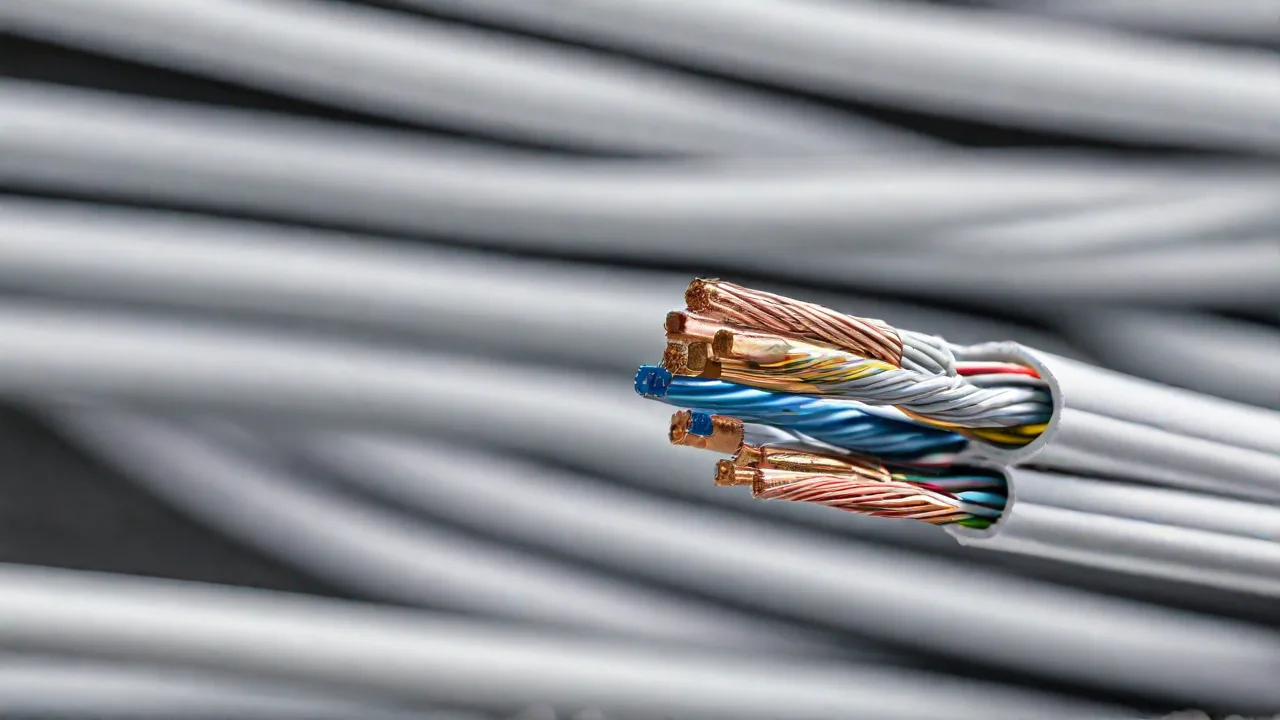
A TS cable consists of a single insulated conductor (the tip) surrounded by a braided or foil shield (the sleeve). The tip carries the audio signal from the instrument's output jack to the amplifier's input, while the sleeve serves as both the ground connection and the return path. This two-conductor configuration makes TS cables inherently unbalanced. In practice, the shield also provides noise rejection, though it is less effective than the balanced alternatives found in professional studio wiring.
The connector itself typically uses a 1/4-inch (6.35 mm) phone plug, a design that dates back to the early telephone exchanges and was later adopted by the music industry. The tip is slightly longer than the sleeve contact, ensuring that the signal connection is made before the ground connection when plugging in, reducing the chance of a loud pop or hum. The simplicity of this design offers a direct electrical path with minimal components, which is prized in vintage setups for preserving the natural harmonics and dynamic response of the instrument.
For further background on connector types, Sweetwater's guide to balanced vs. unbalanced cables provides an excellent overview of how TS compares to other standards.
Historical Context: TS Cables in the Golden Age of Analog
The rise of the TS cable parallels the popularization of the electric guitar in the 1950s and 1960s. Early Fender and Gibson instruments used 1/4-inch mono jacks almost exclusively, and amplifiers from companies like Fender, Marshall, and Vox were designed to match the impedance and signal levels of those outputs. In the 1970s, effects pedals adopted the same standard, creating an entire ecosystem built on the TS connection.
Floyd Rose, Roger Mayer, and other pioneers of the era made no concessions to balanced lines; the TS cable was simply the only practical option. This legacy continues today, with countless reissues and clones of vintage gear retaining the same connectors. For players of classic rock, blues, jazz, and country, the TS cable is not just a utility but an integral part of the instrument's voice.
Why Vintage Systems Still Rely on TS Cables
Many vintage amplifiers and instruments produce high-impedance signals (typically in the range of 10 kΩ to 1 MΩ). TS cables are perfectly suited for these high-impedance connections because the cable's capacitance interacts with the pickups and amplifier input to shape the frequency response. Some players argue that the slight roll-off in the highest frequencies caused by longer TS cables adds a pleasing warmth or "roundness" to the tone. This phenomenon is part of why certain classic recordings have a distinctive sonic signature that modern setups sometimes struggle to replicate.
TS vs. TRS Cables: Key Differences
A common point of confusion is the difference between TS and TRS (Tip-Ring-Sleeve) cables. TRS cables have three conductors, allowing them to carry either a balanced signal or a stereo signal. In vintage instrument setups, however, TRS cables are rarely used for standard guitar or bass connections because the instrument output is mono and unbalanced.
- TS (Tip-Sleeve): Two conductors; unbalanced mono; typical jack length 1/4-inch.
- TRS (Tip-Ring-Sleeve): Three conductors; balanced or stereo; often used for insert cables, stereo headphones, or professional microphones.
- Application in vintage gear: Most vintage amps and pedals expect a TS plug. Using a TRS plug in a TS jack can create a short circuit or produce a hum.
It is important to note that some vintage synthesizers and electronic organs used TS cables for mono line-level outputs, but these are still unbalanced. If you are connecting a mono instrument to a mono input, always use a TS cable. For more detail, refer to the Audio-Technica article on cable types.
Advantages of TS Cables in Vintage Setups
1. Durability and Build Quality
Classic TS cables, especially those from brands like Mogami, George L's, or even the original coiled cords from the 1960s, were built to withstand constant use. The heavy-duty rubber or braided cloth jacket, sturdy strain relief, and all-metal connectors resist the rigors of stage and studio work. A well-made TS cable can last decades if properly cared for.
2. Cost-Effectiveness
Because of their simple construction, TS cables are inexpensive to manufacture. Musicians on a tight budget can find reliable cables for under $20, while premium versions with Neutrik connectors and oxygen-free copper conductors are available for those seeking the highest fidelity. This affordability makes it easy to maintain multiple cables for backup or for different signal chains.
3. Reliable Signal Transmission
In a short cable run (typically under 20 feet), a quality TS cable will introduce negligible signal loss and very low noise. The unbalanced nature of the cable does pick up electromagnetic interference more readily than a balanced cable, but in practice, the hum and buzz can be minimized by keeping the cable away from power supplies and using proper grounding techniques.
4. Wide Compatibility
The 1/4-inch TS connector is virtually universal for electric guitars, basses, keyboards, and many synthesizers. Even modern instruments and pedals continue to use this standard, so a good TS cable will work with any vintage or contemporary gear you own. This compatibility extends to patch cables on pedalboards and connections to audio interfaces (though some interfaces may require a TS-to-TRS adapter for unbalanced inputs).
Limitations and Considerations
No cable type is perfect, and TS cables have their drawbacks, particularly in complex or high-noise environments.
- Susceptibility to Noise: Unbalanced lines are more prone to picking up hum from nearby transformers, fluorescent lights, and other electronics. This is especially noticeable in long cable runs (over 20 feet) or in locations with poor electrical grounding.
- Mono Only: A single TS cable cannot carry a stereo signal or a balanced signal. Using a Y-cable or splitter does not convert it to stereo; you would need two separate TS cables or a TRS cable for that.
- Degradation Over Time: The metal contacts in the connectors and jack can oxidize, causing increased resistance and noise. The cable's shield can also break with repeated flexing, leading to intermittent cutouts or crackling sounds.
- Impedance Matching: High-impedance circuits (like vintage guitar pickups) are more susceptible to cable capacitance than low-impedance lines. Using an overly long cable can dull the high frequencies and reduce output.
To mitigate these issues, consider using a direct box (DI) from Radial Engineering when running long distances to a mixing board. A DI converts the unbalanced high-impedance signal to a balanced low-impedance signal, allowing you to use standard XLR cables for long runs while preserving the tone of your vintage instrument.
Selecting the Right TS Cable for Classic Gear
When choosing a TS cable for vintage instruments, prioritize quality over price. Look for cables that use:
- Oxygen-free copper (OFC) conductors for lower resistance and better flexibility.
- Braided or spiral shields that offer better flexibility and durability compared to foil shields.
- All-metal connectors with a robust strain relief, such as those from Neutrik, Switchcraft, or Amphenol.
- Capacitance ratings of around 30–50 pF per foot for a balanced tonal response with passive pickups.
Many boutique cable makers offer products that replicate the look and feel of vintage cords, using cloth braiding and retro-style jack covers. These can be an excellent choice for restoring a classic aesthetic while gaining modern reliability.
Common Pitfalls to Avoid
Using the wrong cable can damage vintage gear or degrade performance. Never use a speaker cable in place of an instrument cable. Speaker cables are unshielded and designed to carry high current, not low-level audio signals. They will induce hum and noise and could potentially cause feedback instability in your amplifier. Similarly, avoid using guitar cables as speaker cables, as the gauge is too thin and could overheat.
Maintenance and Care for Longevity
To keep TS cables performing optimally in vintage setups, follow these simple maintenance practices:
- Coil properly: Never wrap the cable tightly around your elbow or in a figure-eight pattern. Use the over-under method to avoid kinking the shield.
- Clean connectors regularly: Use a contact cleaner and a lint-free cloth to remove oxidation from the tip and sleeve. Avoid abrasive materials.
- Store in a dry environment: Humidity corrodes connectors and degrades the jacket. A cable bag or case with silica gel packs is ideal.
- Inspect periodically: Look for broken solder joints at the connector, cuts in the jacket, or areas where the cable feels stiff. Replace any suspect cable before it fails on stage.
For professional restoration of vintage gear, many technicians recommend replacing old cables with new high-quality equivalents, as the original rubber and cloth can become brittle with age. However, if you wish to preserve an original coil cord for authenticity, limit its use to short runs and low-traffic settings.
Conclusion: The Enduring Relevance of the TS Cable
TS cables remain the unsung heroes of vintage and classic musical instrument setups. Their straightforward design, durability, and compatibility with the analog gear of the past and present make them indispensable for any player who values the classic sound. While their limitations are real—noise susceptibility and mono operation—they can be managed with proper cable selection and routing. By investing in high-quality TS cables and maintaining them well, you ensure that your vintage instruments and amps continue to produce the rich, authentic tones that defined the golden age of music. For those who build pedalboards, restore old amplifiers, or simply enjoy plugging a Stratocaster into a tube amp, the Tip-Sleeve cable is not just a connector: it is part of the soul of the sound.